

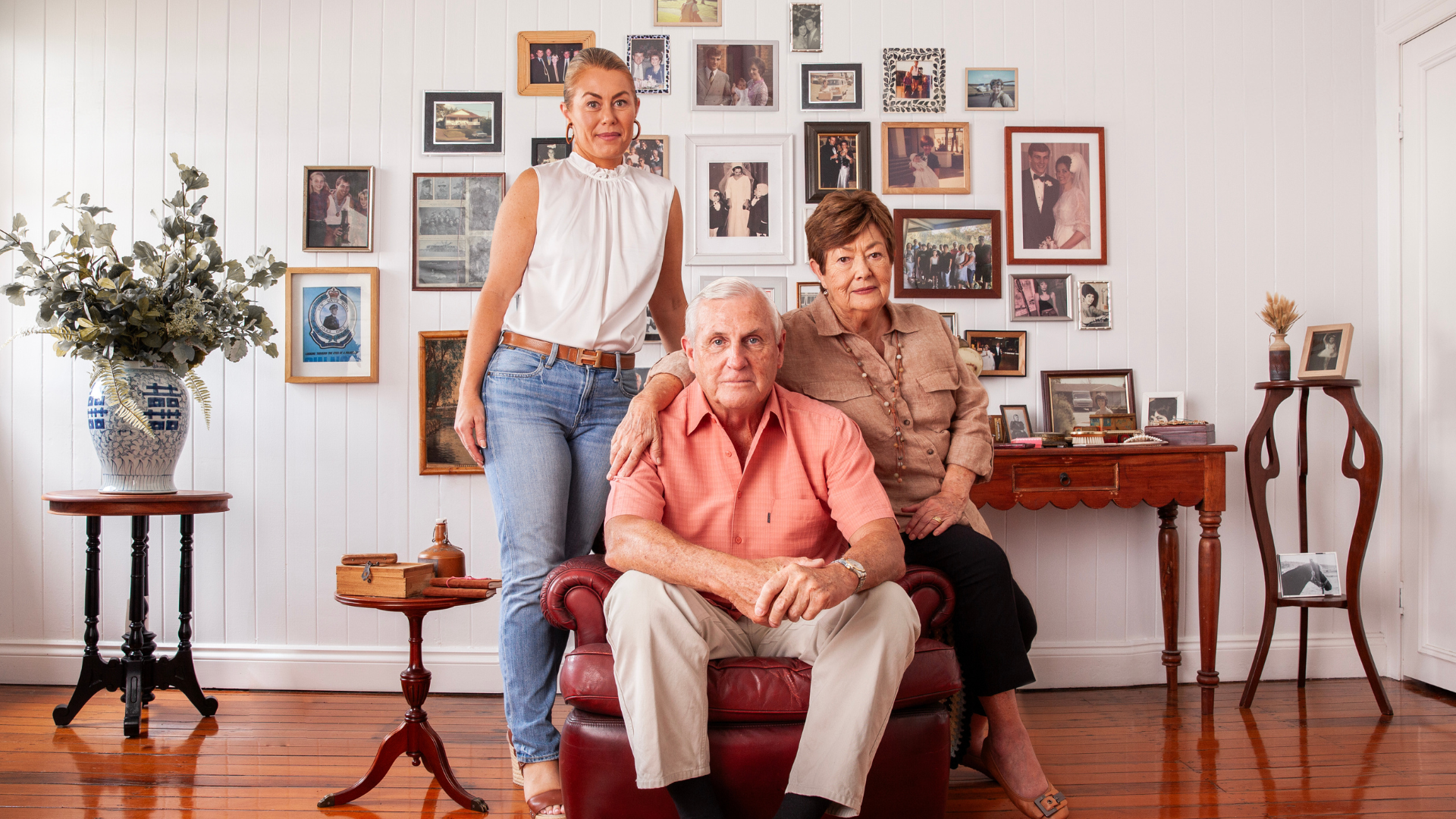
Tony's story shows how powerful advance care planning can be in the life of a person and their family when they're facing some of the hardest decisions.
Tony was in his mid-60s when he received the news that he had dementia. The news rocked him, and he realised he needed to plan for his future.
Tony's GP suggested he start advance care planning. So, Tony spoke with his wife, who was his substitute decision-maker, and told her his wishes and preferences for care and treatment in the event he couldn't voice this to health providers himself. His wishes included wanting to die at home.
He also discussed this with his daughter, Carla, and appointed her as a secondary substitute decision-maker, knowing she would support her mother with these tough decisions.
Tony's wife and daughter felt comforted knowing what mattered most to their loved husband and father.
If you become seriously unwell and unable to communicate or make decisions about your own healthcare, who do you want to make them for you? What would you want them to do?
It might seem like an uncomfortable topic. However, planning for your future healthcare is incredibly important. And you might be surprised at how open other people are to talking about it - once advance care planning has been explained to people, seven out of ten feel positive about it.
Start planning today.